


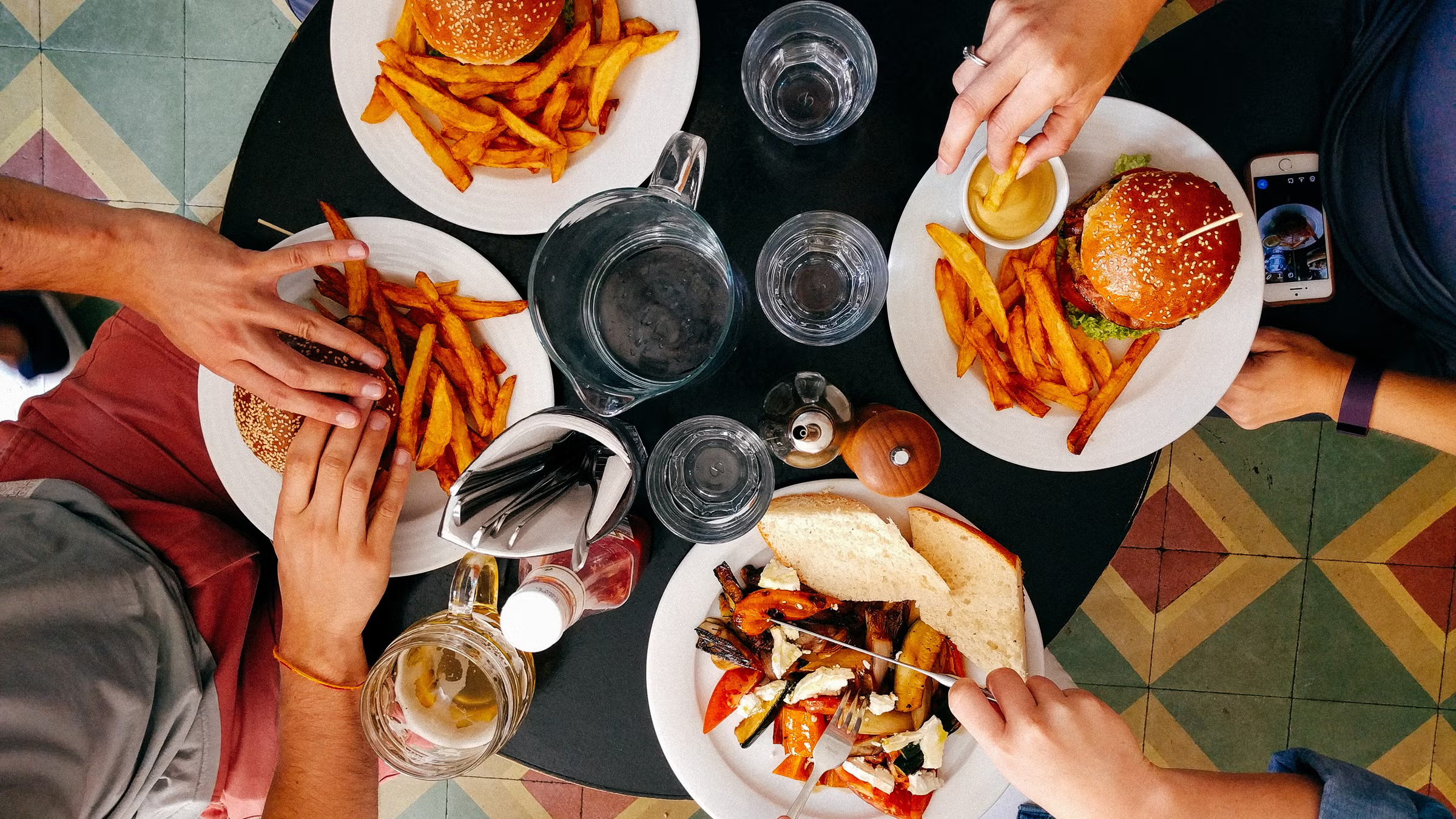
Few experiences capture the spirit of travel quite like enjoying great road food while exploring new destinations. Whether you’re driving across a country, taking a weekend getaway, or embarking on a long-distance adventure, food often becomes one of the most memorable parts of the journey. The concept of road food goes beyond simple convenience meals. It represents local culture, regional traditions, family-owned restaurants, roadside diners, food trucks, and hidden culinary gems that travelers discover along the way.
For generations, travelers have relied on road food to fuel their adventures. From classic burgers and barbecue to regional specialties and homemade pies, roadside dining offers a unique window into local communities. Every stretch of highway tells a story, and often that story is best experienced through the food served along the route.
Today, the popularity of road food continues to grow as more travelers seek authentic experiences rather than generic fast-food options. Food-focused travel has become a major trend, encouraging people to plan routes around famous diners, local eateries, and iconic roadside attractions. This guide explores everything you need to know about road food, including its history, cultural significance, best types of meals, travel tips, and why it remains an essential part of every memorable road trip.
The Meaning and Appeal of Road Food
At its core, road food refers to meals, snacks, and dining experiences enjoyed while traveling by road. However, the term has evolved to represent much more than simply eating during a journey.
For many travelers, road food is about discovering local flavors that cannot be found elsewhere. It includes family-run diners, historic restaurants, roadside barbecue stands, seafood shacks, bakeries, and food trucks that serve dishes rooted in regional traditions.
One reason road food remains so appealing is its authenticity. Unlike chain restaurants that offer nearly identical menus everywhere, roadside establishments often reflect the character and culture of their surrounding communities.
Travelers frequently remember a delicious roadside meal long after they’ve forgotten hotel rooms or tourist attractions. Food creates emotional connections, making the journey itself more meaningful and memorable.
The History of Road Food
The history of road food is closely linked to the rise of automobile travel. As highways expanded during the twentieth century, businesses emerged to serve the growing number of motorists traveling long distances.
Roadside diners became especially popular because they provided affordable meals, convenient locations, and welcoming atmospheres. Many of these establishments developed loyal followings among travelers and local residents alike.
As road networks expanded, so did the variety of road food available. Regional cuisines began attracting visitors specifically interested in culinary exploration. Travelers could experience unique dishes tied to specific locations, creating food-based tourism long before the term became popular.
Today, the tradition of road food continues to thrive, blending historic establishments with modern food trucks, specialty cafés, and innovative roadside concepts.
Why Road Food Matters to Travel Culture
Food and travel have always been deeply connected. One of the biggest reasons people seek road food is the opportunity to experience local culture firsthand.
Every region has distinctive flavors, cooking techniques, and culinary traditions. Sampling these specialties helps travelers understand communities in ways that guidebooks often cannot.
Road food also encourages spontaneous exploration. A small roadside sign, a crowded local diner, or a recommendation from another traveler can lead to unforgettable dining experiences.
In many cases, the search for exceptional road food becomes an adventure itself. Travelers often adjust routes, extend stops, or explore unfamiliar towns simply to try a famous local dish.
Popular Types of Road Food
Classic Roadside Diners
Traditional diners remain a cornerstone of road food culture. Known for hearty breakfasts, comfort food, and friendly service, diners often serve as gathering places for both locals and travelers.
Many diners maintain recipes that have been passed down through generations, adding authenticity to the dining experience.
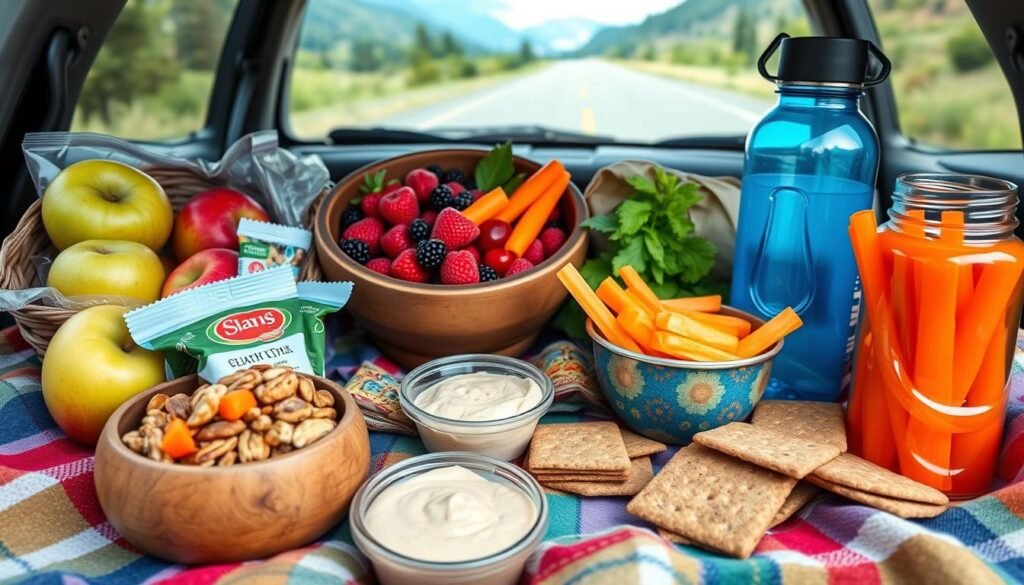
Regional Specialties
One of the greatest attractions of road food is the opportunity to sample regional dishes. Different areas are known for unique culinary traditions that reflect local ingredients and cultural influences.
Travelers frequently seek these specialties because they provide experiences unavailable in other locations.
Food Trucks and Mobile Kitchens
Modern road food increasingly includes food trucks and mobile vendors. These businesses offer creative menus, diverse cuisines, and convenient access for travelers.
Food trucks often introduce innovative flavors while maintaining the casual and accessible nature that defines roadside dining.
Local Cafés and Bakeries
Many memorable road food experiences occur in small-town cafés and bakeries. Fresh pastries, homemade sandwiches, and locally roasted coffee provide travelers with authentic and satisfying meals.
These establishments often showcase regional ingredients and culinary traditions.
Finding the Best Road Food During Your Journey
Locating exceptional road food requires curiosity and a willingness to venture beyond familiar options.
Many experienced travelers avoid relying solely on major highway exits filled with chain restaurants. Instead, they explore nearby towns, seek local recommendations, and research regional specialties before beginning their trip.
Reading travel blogs, checking local tourism websites, and reviewing food-focused travel guides can help identify hidden gems. Internal links on your website might direct readers to articles about road trip planning, regional cuisines, or travel itineraries that complement this topic.
External resources such as official tourism boards and respected food publications can also provide valuable insights into notable dining destinations.
The most rewarding road food experiences often come from unexpected discoveries rather than carefully planned stops.
Healthier Choices in Road Food
Some travelers associate road food with indulgence, but healthy options are increasingly available.
Many roadside establishments now offer fresh salads, grilled proteins, vegetable-focused dishes, and locally sourced ingredients. Travelers who prioritize nutrition can often find balanced meals without sacrificing flavor.
Choosing healthier road food options can help maintain energy levels during long drives and support overall well-being throughout the journey.
Hydration also plays an important role. Drinking plenty of water and incorporating fresh fruits or vegetables into meals can make road travel more comfortable and enjoyable.
The Economic Impact of Road Food
The influence of road food extends beyond individual dining experiences. Roadside restaurants contribute significantly to local economies by attracting visitors and supporting employment.
Many family-owned establishments depend on tourism and traveler traffic. When visitors choose local road food businesses instead of large chains, they often help sustain small communities and preserve regional culinary traditions.
This economic contribution strengthens the connection between food tourism and community development. Travelers benefit from authentic experiences, while local businesses gain valuable support.
The continued popularity of road food helps ensure that these unique establishments remain part of the travel landscape for future generations.
Road Food and Social Media
Social media has transformed how people discover and share road food experiences.
Travelers frequently post photos of memorable meals, recommend hidden gems, and document food-focused road trips. Platforms dedicated to travel and dining have created communities where enthusiasts exchange recommendations and inspiration.
As a result, certain roadside restaurants have gained national or even international recognition. A single viral post can introduce thousands of potential visitors to a previously unknown location.
This digital exposure has helped preserve and promote many traditional road food destinations while encouraging innovation among newer establishments.
Creating Your Own Road Food Adventure
Planning a journey around road food can add excitement and purpose to travel.
Rather than viewing meals as simple necessities, travelers can treat dining experiences as key attractions. Researching regional specialties, identifying historic diners, and exploring local recommendations can transform an ordinary road trip into a culinary adventure.
Flexibility is often essential. Some of the best road food experiences occur unexpectedly, making it worthwhile to allow room for spontaneous discoveries.
Combining scenic routes with notable dining destinations creates a richer and more rewarding travel experience.
The Future of Road Food
The future of road food appears bright as travelers continue seeking authentic experiences.
Growing interest in local ingredients, sustainable practices, and regional cuisine supports the continued popularity of roadside dining. Many establishments are adapting to changing consumer preferences while preserving traditional recipes and hospitality.
Technology also helps travelers locate quality road food more easily than ever before. Online reviews, navigation apps, and social media recommendations make discovering hidden gems simpler and more accessible.
Despite these innovations, the essence of road food remains unchanged. It is still about connecting travelers with local culture through memorable meals.
Conclusion
Road food represents far more than convenient dining during travel. It embodies adventure, discovery, culture, and connection. Whether enjoyed at a historic diner, a family-owned café, a roadside barbecue stand, or a modern food truck, great road food creates lasting memories that become part of the travel experience itself.
The enduring appeal of road food lies in its ability to tell stories through flavor. Every meal reflects the traditions, ingredients, and personalities of the communities that create it. As travelers continue exploring highways, scenic routes, and small towns, roadside dining will remain an essential part of the journey.
For anyone planning a road trip, seeking out authentic road food can transform ordinary travel into an unforgettable culinary adventure filled with local flavor and meaningful experiences.
FAQs
What is road food?
Road food refers to meals, snacks, and dining experiences enjoyed while traveling by road, often featuring local restaurants, diners, food trucks, and regional specialties.
Why is road food popular among travelers?
Road food is popular because it offers authentic local flavors, memorable dining experiences, and opportunities to connect with regional culture during travel.
How can I find the best road food?
Research local recommendations, read travel blogs, consult tourism websites, and explore small towns rather than relying only on major chain restaurants.
Is road food always unhealthy?
No. Many roadside establishments offer healthy options including fresh vegetables, grilled dishes, salads, fruits, and balanced meals.
What makes road food different from fast food?
Road food often emphasizes local traditions, unique recipes, regional ingredients, and authentic dining experiences, whereas fast food generally offers standardized menus across many locations.
Read More >>>The BMW K1600GT: Redefining Luxury Performance Touring
