


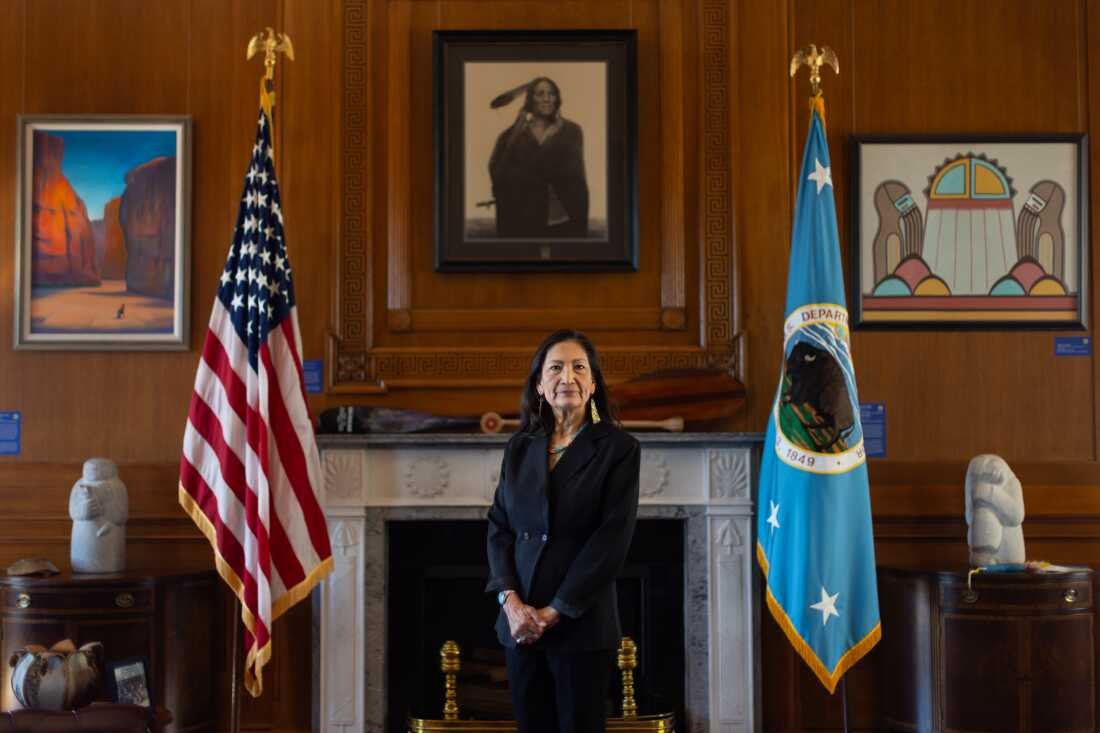
Deb Haaland stands as a pioneering figure in American politics and environmental leadership, serving as the 54th Secretary of the Interior and becoming the first Native American to hold a cabinet-level position in the United States. Her appointment marked a historic moment for indigenous representation in federal government while bringing unique perspectives to land management, conservation efforts, and tribal relations. Deb Haaland’s journey from community activist to national leader demonstrates the power of determination and the importance of diverse voices in shaping public policy that affects millions of Americans.
This comprehensive profile explores Deb Haaland’s background, political career, key initiatives as Secretary of the Interior, and the broader significance of her leadership in addressing environmental challenges and indigenous rights. Understanding Deb Haaland’s contributions provides valuable insights into how representation and expertise can drive meaningful change in complex policy areas.
Early Life and Path to Public Service
Deb Haaland was born in 1960 in Winslow, Arizona, and grew up in a military family that exposed her to different parts of the country during her childhood. As a member of the Laguna Pueblo, she maintained strong connections to her indigenous heritage while navigating life in various communities. These experiences shaped her understanding of both cultural preservation and the challenges facing Native American communities across different regions.
Her educational journey included earning degrees from the University of New Mexico, where she studied English and later earned a law degree. This academic background provided Deb Haaland with important tools for advocacy and policy work while deepening her commitment to education as a pathway for community advancement. The combination of cultural knowledge and professional training created a foundation that would prove valuable throughout her public service career.
Before entering electoral politics, Deb Haaland worked in various roles that connected her to community needs and indigenous issues. Her experience running small businesses and working with nonprofit organizations gave her practical insights into economic development and community organizing that informed her later political work. These grassroots experiences helped Deb Haaland develop authentic connections with constituents and understand the real-world impact of policy decisions.
Political Career and Historic Achievements
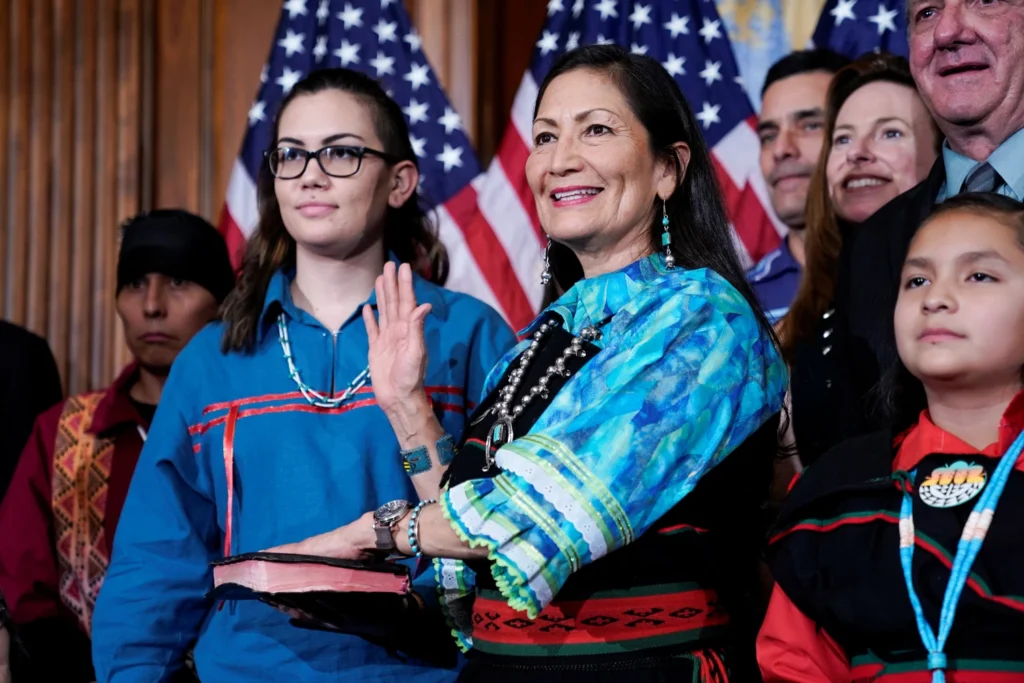
Deb Haaland’s entry into politics began with local involvement before she successfully ran for Congress in 2018, becoming one of the first Native American women elected to the U.S. House of Representatives. Her congressional service focused on issues important to New Mexico’s diverse population, including energy policy, public lands management, and indigenous rights. Deb Haaland’s legislative work demonstrated both commitment to her district’s needs and broader national perspectives on environmental protection and tribal sovereignty.
Her appointment as Secretary of the Interior by President Joe Biden represented a landmark moment in American history. The position oversees vast federal lands, natural resources, and relationships with Native American tribes, making it particularly significant for someone with Deb Haaland’s background and expertise. Her confirmation and subsequent leadership brought indigenous perspectives to high-level decision-making about land use, conservation, and federal-tribal relations in unprecedented ways.
Throughout her tenure, Deb Haaland has worked to balance conservation priorities with economic development needs while strengthening government-to-government relationships with tribal nations. Her approach emphasizes consultation, respect for indigenous knowledge, and practical solutions that address both environmental protection and community development goals.
Key Initiatives and Policy Priorities
Deb Haaland has focused significant attention on climate change mitigation and adaptation strategies within the Department of the Interior. Her leadership has involved coordinating efforts across multiple agencies to address environmental challenges while supporting sustainable economic opportunities in communities affected by climate impacts. This balanced approach reflects understanding that environmental protection and economic development can work together when properly aligned.
Tribal consultation and self-determination represent central priorities for Deb Haaland’s leadership. She has worked to strengthen federal-tribal relationships through meaningful consultation processes and support for tribal sovereignty. These efforts include addressing historical issues while building frameworks for collaborative problem-solving on issues ranging from natural resource management to cultural preservation.
Public lands management under Deb Haaland has emphasized conservation while considering multiple use principles that support recreation, wildlife protection, and sustainable resource development. Her approach involves stakeholder engagement and scientific data to inform decisions about how best to protect these valuable resources for future generations while meeting current needs.
Challenges and Controversies During Her Tenure
Like many cabinet officials, Deb Haaland has faced various challenges and criticisms during her time as Secretary of the Interior. Some critics have questioned certain policy decisions or implementation approaches, while others have raised concerns about balancing competing interests in public lands management. These challenges reflect the inherent complexities of managing vast federal responsibilities while navigating political pressures and stakeholder expectations.
Deb Haaland has addressed these challenges by maintaining focus on her core priorities and emphasizing evidence-based decision making. Her willingness to engage with critics and adjust approaches when appropriate demonstrates leadership qualities that many observers find commendable despite disagreements on specific issues.
The political environment surrounding Deb Haaland’s work has included partisan divisions that sometimes complicate policy implementation. Her ability to maintain professional focus amid political pressures highlights the importance of steady leadership in highly visible government positions.
Impact on Indigenous Representation and Policy
Deb Haaland’s historic appointment has had broader significance for indigenous representation in American government. Her visibility as a Native American woman in a prominent cabinet position has inspired many indigenous people and demonstrated the value of diverse perspectives in policy making. This representational impact extends beyond symbolic importance to influence how indigenous issues receive attention and consideration at federal levels.
Her leadership has helped elevate indigenous voices in discussions about land management, cultural preservation, and environmental justice. Deb Haaland’s advocacy for incorporating traditional ecological knowledge into modern conservation efforts represents an important contribution to more holistic approaches to natural resource management.
The attention to indigenous issues during her tenure has encouraged greater awareness and policy focus on challenges facing Native American communities. This increased visibility and advocacy have helped advance important initiatives while highlighting ongoing needs for improved federal-tribal relationships and support for indigenous self-determination.
Public Perception and Media Coverage
Media coverage of Deb Haaland has varied in tone and focus, with some outlets emphasizing her historic appointment and policy achievements while others concentrate on controversies or political opposition. This varied coverage reflects broader patterns in how political figures receive attention in polarized media environments. Deb Haaland has generally maintained professional composure while addressing both supportive and critical coverage of her work.
Public perception of Deb Haaland often connects to broader discussions about diversity in government and environmental policy priorities. Supporters appreciate her advocacy for indigenous rights and conservation efforts, while critics sometimes question specific policy decisions or implementation approaches. This range of opinions reflects normal democratic discourse around high-level government officials.
Deb Haaland’s communication style emphasizes policy substance and collaborative problem-solving rather than partisan rhetoric. This approach has helped maintain credibility with various stakeholders while focusing attention on substantive issues rather than political theater.
Legacy and Future Influence
Deb Haaland’s tenure as Secretary of the Interior will likely be remembered for advancing indigenous representation, strengthening conservation efforts, and working to address climate challenges through federal land management. Her leadership has helped normalize indigenous perspectives in high-level policy discussions while demonstrating competence in managing complex governmental responsibilities.
The long-term impact of Deb Haaland’s work will depend on how her initiatives develop and whether they create lasting institutional changes within the Department of the Interior. Her emphasis on consultation, evidence-based decision making, and inclusive approaches to governance may influence future leadership regardless of political changes.
As Deb Haaland continues her public service, her example as a trailblazing leader will likely inspire future generations of indigenous leaders and public servants. Her journey from community advocate to cabinet secretary demonstrates the possibilities that exist when determination meets opportunity in American democracy.
Conclusion
Deb Haaland represents a historic figure whose leadership as Secretary of the Interior has brought important perspectives to federal land management and indigenous policy. Her work demonstrates how representation and expertise can combine to address complex challenges while advancing important priorities around conservation, tribal rights, and sustainable development. As Deb Haaland continues serving in her role, her contributions help shape how the United States approaches environmental stewardship and government-to-government relationships with tribal nations. Her story offers inspiration for those who believe in the power of public service to create positive change while highlighting the ongoing importance of diverse voices in American governance. Understanding Deb Haaland’s work provides valuable context for appreciating how individual leadership can influence broader policy directions and institutional practices in meaningful ways.
FAQ
Who is Deb Haaland?
Deb Haaland is the United States Secretary of the Interior and the first Native American to serve in a cabinet-level position.
What is Deb Haaland’s background?
She is a member of the Laguna Pueblo and served as a U.S. Representative from New Mexico before her appointment as Secretary of the Interior.
What are Deb Haaland’s main priorities as Secretary?
Her priorities include advancing conservation efforts, strengthening tribal relations, addressing climate change, and managing public lands responsibly.
How has Deb Haaland impacted indigenous representation?
Her historic appointment has increased visibility for indigenous issues and demonstrated the value of Native American perspectives in federal policy making.
What challenges has Deb Haaland faced in her role?
She has navigated political divisions, competing stakeholder interests, and the complexities of managing vast federal responsibilities while addressing multiple priorities.
Read More:
Uddhav Thackeray: The Political Journey of Maharashtra’s Former Chief Minister
