


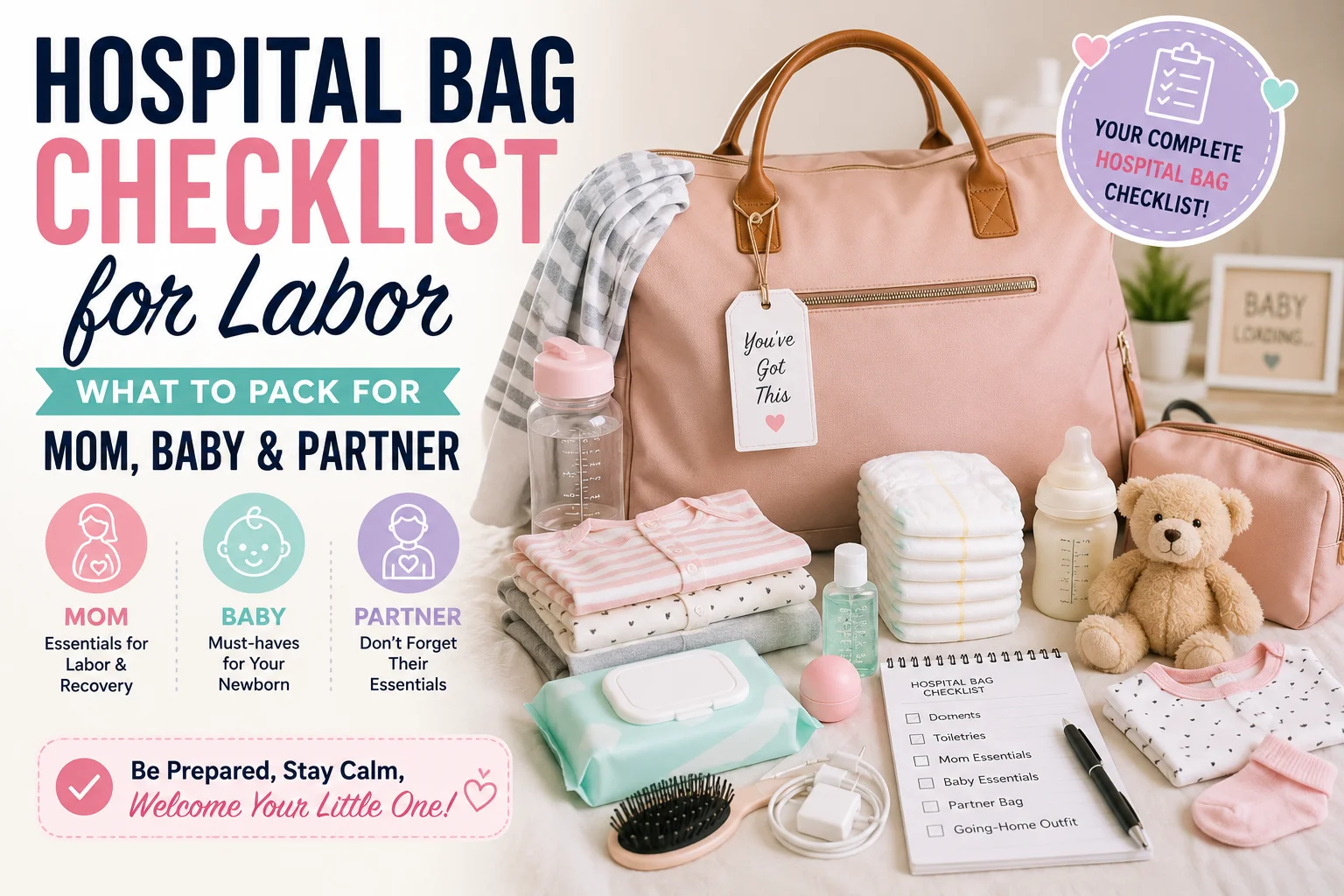
The moment you discover you’re expecting often brings a whirlwind of excitement mixed with practical concerns, none more pressing than preparing for the hospital stay when your baby arrives. Creating a thoughtful hospital bag checklist represents one of the most important preparations during late pregnancy, ensuring you have everything needed for comfort, safety, and celebration during this transformative experience. A well-packed hospital bag can significantly reduce stress during labor while providing essential items that make the transition to parenthood smoother and more enjoyable. In this comprehensive guide, we explore everything you need to know about creating the perfect hospital bag checklist, with detailed recommendations for mom, baby, and support person, along with practical tips drawn from real experiences and expert advice.
Preparing hospital bags typically begins around 32-36 weeks of pregnancy, giving you ample time to gather items while leaving room for last-minute additions. The goal isn’t to pack for every possible scenario but to focus on essentials that address comfort, hygiene, documentation, and newborn care. Many new parents find that having these items organized and ready brings tremendous peace of mind as the due date approaches. Let’s dive deep into creating hospital bags that truly serve your needs during this special time.
Essential Items for Mom’s Hospital Bag
Your personal hospital bag should prioritize comfort and practicality during labor, delivery, and the immediate postpartum period. Start with comfortable clothing options including loose-fitting nightgowns or button-front tops that facilitate skin-to-skin contact and breastfeeding. Many mothers recommend packing at least two or three changes of clothes, favoring soft, stretchy fabrics that won’t irritate sensitive skin after birth. Don’t forget a comfortable robe and non-slip socks or slippers for walking around the hospital room and hallways.
Personal care items deserve careful attention in your hospital bag checklist. Pack toiletries in travel sizes including toothbrush, toothpaste, shampoo, conditioner, body wash, and deodorant. Lip balm becomes surprisingly essential during labor due to dry hospital air and breathing techniques. Feminine hygiene products should include heavy-duty pads rather than tampons, as hospitals typically provide initial supplies but you may need your preferred brands. A hairbrush, hair ties, and dry shampoo can help you feel more refreshed between visitors. Many mothers also pack their own pillow and favorite blanket for added comfort in unfamiliar hospital surroundings.
Documentation and entertainment round out mom’s essentials. Bring multiple copies of your birth plan, insurance information, ID, and hospital registration forms. A phone charger with a long cord, portable battery pack, and headphones help maintain connection with loved ones and provide entertainment during early labor. Some mothers include a small mirror for freshening up and a favorite essential oil or massage tools for comfort during contractions. The key is balancing preparation with avoiding overpacking, focusing on items that genuinely enhance comfort and practicality during your stay.
Must-Have Items for Baby in Your Hospital Bag
Your baby’s hospital bag needs focus on immediate newborn care essentials that support those precious first days. Clothing should include several onesies, sleepers, and hats in newborn sizes, though hospitals often provide initial outfits. Pack a going-home outfit that accounts for weather conditions and easy diaper access. Swaddling blankets, receiving blankets, and a light jacket or onesie with mittens help regulate baby’s temperature in the hospital environment.
Feeding and diapering supplies deserve careful consideration even if you plan to breastfeed. While hospitals provide formula samples and basic supplies, having your preferred diapers, wipes, and diaper cream ensures consistency with your home routine. For breastfeeding mothers, nursing pads, lanolin cream, and a breast pump (if desired) can prove invaluable. Many parents pack a small bottle and formula as backup even when planning to breastfeed exclusively. A pacifier might be useful depending on your preferences and hospital policies.
Documentation for baby includes the hospital’s required paperwork and any special items like a going-home car seat installation confirmation. Many parents also pack a baby book or journal for capturing those first precious moments and messages from visitors. The goal is having everything needed for baby’s comfort and care while remembering that hospitals provide many initial supplies, allowing you to focus on essentials rather than overpacking.
What Partners and Support People Should Pack
Partners and support people play crucial roles during labor and delivery, and their hospital bag should reflect these responsibilities. Comfortable clothing changes are essential since hospital stays can extend unexpectedly. Pack layers since hospital temperatures vary widely, along with comfortable shoes for walking and supporting mom during labor. Personal toiletries and medications ensure the support person remains comfortable and focused on helping rather than dealing with their own discomfort.
Snacks and hydration prove invaluable during long labors when cafeteria access might be limited. Pack easy-to-eat, non-perishable items like nuts, granola bars, and fresh fruit along with a reusable water bottle. Entertainment options such as books, tablets, or playing cards help pass time during early labor while keeping energy levels up. Many partners also pack a small notebook for recording birth details, timing contractions, and noting important information from medical staff.
Additional items might include a camera or fully charged phone for capturing memories, cash for vending machines or parking, and any comfort items that help the support person stay calm and focused. Some partners pack massage tools, essential oils, or other comfort items specifically for supporting mom during labor. The key is being prepared to stay comfortable and attentive throughout what might be an extended hospital stay.
Hospital Bag Packing Tips and Organization Strategies
Successful hospital bag preparation involves thoughtful organization that makes items easy to find when needed. Many experienced mothers recommend using separate bags for different categories — one for labor and delivery, another for postpartum, and a dedicated baby bag. Clear packing cubes or ziplock bags help organize smaller items while making them visible and accessible. Labeling bags clearly prevents confusion during the excitement and intensity of labor.
Consider creating a “go bag” with absolute essentials that stays by the door during late pregnancy, while keeping a more comprehensive bag ready to grab when heading to the hospital. Weather-appropriate layers and backup items account for unexpected variables like extended stays or changing conditions. Don’t forget to pack chargers, adapters, and any necessary medications with clear instructions for hospital staff. Many families find it helpful to do a practice run, ensuring everything fits comfortably in the car and can be easily transported.
Timing your packing strategically prevents last-minute stress while allowing flexibility for final additions. Most experts recommend having bags ready by 36 weeks, with regular checks to ensure nothing has been removed or needs updating. Involving your partner in the packing process ensures everyone understands where essential items are located and builds shared excitement for the upcoming birth.
Common Hospital Bag Mistakes to Avoid
Even well-prepared parents sometimes make hospital bag mistakes that can impact their experience. Overpacking ranks among the most common issues, with many families discovering they used only a fraction of what they brought. Focus on versatile, multi-purpose items rather than specialized gadgets that might not prove useful. Forgetting important documents or insurance information creates unnecessary stress during admission, so keep these items easily accessible and in multiple copies.
Another frequent oversight involves not considering the support person’s needs adequately. Partners who don’t pack their own comfort items often become exhausted and less effective in their supporting role. Weather and seasonal considerations sometimes get overlooked, leaving families unprepared for temperature changes or unexpected weather during the trip to and from the hospital. Finally, many parents forget to familiarize themselves with hospital policies regarding what they can and cannot bring, potentially leading to disappointment or last-minute adjustments.
After the Hospital: Transitioning Home Successfully
While hospital bag checklists focus primarily on your stay, thinking ahead about the transition home enhances the overall experience. Many parents pack a separate “going home” bag with fresh clothes for everyone and any special items needed for the car ride. Having the house prepared with essentials like stocked refrigerator, clean linens, and organized baby supplies creates a smoother return home. Consider preparing freezer meals and arranging help from family and friends before the birth to ease those first days.
The hospital bag experience itself often becomes a cherished memory of anticipation and preparation. Many families look back fondly on the process of packing and planning, recognizing it as an important rite of passage into parenthood. The care and thoughtfulness that goes into creating these bags reflects the love and excitement surrounding the new baby’s arrival, setting a positive tone for the beautiful journey ahead.
Conclusion
Creating a thoughtful hospital bag checklist represents one of the most practical and meaningful preparations you can make as you approach your baby’s birth. By carefully considering the needs of mom, baby, and support people while balancing essentials with practicality, you create a foundation for a more comfortable and positive hospital experience. The process of packing these bags often becomes a beautiful ritual of anticipation and love, marking the final steps toward welcoming your little one into the world.
Remember that while having the right items matters, the most important elements of your hospital stay are the love, support, and care surrounding you and your baby. Use this guide as a starting point, then personalize your hospital bags to reflect your unique preferences and circumstances. The perfect hospital bag checklist helps reduce anxiety and allows you to focus on what truly matters — the miraculous journey of bringing new life into the world. As you prepare for this transformative experience, know that thoughtful preparation combined with flexibility and trust in your care team creates the best possible foundation for your birth story and early days of parenthood.
FAQs
When should I start packing my hospital bag?
Most experts recommend starting around 32-36 weeks of pregnancy, with bags fully ready by 36 weeks to account for early labor possibilities.
How many hospital bags should I prepare?
Many parents find success with 2-3 bags: one for labor essentials, one for postpartum, and one for baby items. This organization makes everything easier to find when needed.
What should I not pack in my hospital bag?
Avoid valuable jewelry, excessive cash, and non-essential electronics. Hospitals provide many basic items, so focus on personal comfort items and important documents.
Can I bring my own pillow and blanket to the hospital?
Yes, most hospitals allow personal pillows and blankets. These familiar items often provide significant comfort during your stay.
What if I forget something important for my hospital bag?
Hospitals typically have gift shops or basic supplies available. Partners or family members can also bring forgotten items if needed during your stay.
Read More:
HH Jacket: The Ultimate Guide to Helly Hansen’s Iconic Outdoor and Workwear Excellence
