


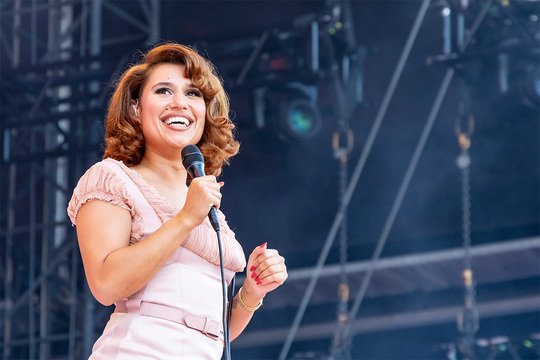
The rising British singer-songwriter Raye continues to captivate audiences worldwide with her powerful voice, honest lyrics, and genre-blending style. As her fame grows, many fans and music lovers search for details about raye ethnicity, curious about the cultural roots that shape her identity and artistry.
Rachel Agatha Keen, known professionally as Raye, represents a beautiful blend of diverse backgrounds that reflect the modern multicultural experience in Britain. Her mixed heritage influences not only her personal story but also the depth and authenticity she brings to her music.
Who Is Raye? A Quick Introduction to the Artist
Born on October 24, 1997, in Tooting, South London, Raye has emerged as one of the most exciting talents in contemporary pop, R&B, and dance music. Her breakthrough came after leaving a major label and releasing her debut album My 21st Century Blues independently, earning her record-breaking success at the BRIT Awards.
Understanding raye ethnicity helps paint a fuller picture of the artist behind the hits like “Escapism” and “Black Mascara.” Her background combines British, Ghanaian, and Swiss influences, creating a unique perspective that resonates across cultures.
The Family Roots Behind Raye’s Multicultural Identity
Raye was born to a Ghanaian-Swiss mother and an English father from Yorkshire. This mixed heritage forms the foundation of her personal and cultural identity. Her mother, Sarah, works as a mental health professional and comes from a rich blend of West African and European traditions. Her father, Paul, brought strong English roots and a deep love for music to the family home.
Growing up in a musical household in Croydon, South London, Raye was immersed in gospel music through her local Pentecostal church, where her father served as musical director and her mother sang in the choir. These early experiences connected her strongly to her Black heritage and African roots while also embracing her British upbringing.
Her Ghanaian heritage, in particular, plays a significant role in how she views herself. Raye has openly discussed feeling connected to her West African ancestry and how it shaped her love for soulful, rhythmic music.
How Raye’s Mixed Heritage Shapes Her Music and Identity
Raye ethnicity is often described as mixed or biracial, with prominent Ghanaian influences from her mother’s side. This diversity comes through in her artistic expression. She draws from Black musical traditions, including gospel, R&B, and soul, while incorporating pop and electronic elements popular in the UK scene.
In interviews, Raye has spoken candidly about navigating her identity in the music industry. She once felt pressure to downplay her Black culture early in her career but later embraced it fully. This journey toward authenticity has become a central theme in her songwriting, allowing her to connect with listeners who share similar multicultural experiences.
Her music often explores themes of self-discovery, resilience, and cultural pride. Tracks that celebrate her background and personal growth demonstrate how raye ethnicity serves as both inspiration and strength in her creative process.
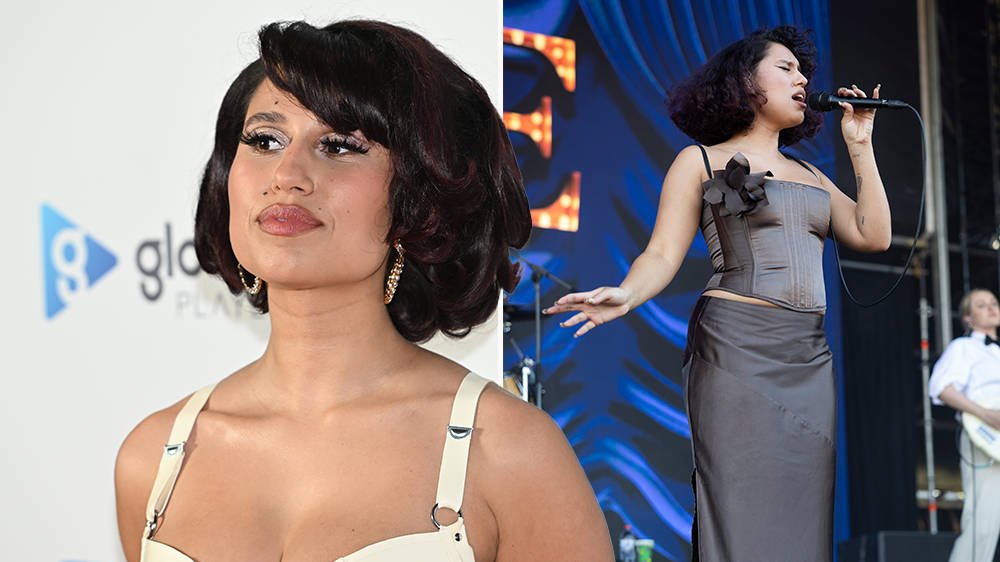
Growing Up in Multicultural London
South London’s vibrant, diverse communities provided the perfect backdrop for Raye’s development. Tooting and Croydon are known for their multicultural populations, where different ethnicities, languages, and traditions coexist daily. This environment helped normalize her mixed background while exposing her to a wide range of musical influences.
From an early age, Raye attended church services that celebrated gospel music rooted in African-American and African traditions. At home, she listened to everything from Ella Fitzgerald classics introduced by her mother to contemporary artists like Rihanna and Drake. This fusion of sounds mirrors her own raye ethnicity and contributes to her versatile style.
Her family life further reinforced these cultural connections. With three younger sisters, including fellow singer-songwriters, the Keen household was filled with creativity, faith, and appreciation for their diverse ancestry.
The Influence of Ghanaian Culture on Raye’s Life
Raye’s Ghanaian roots remain a source of pride and inspiration. She has shared stages with family members, including emotional moments at award shows where she celebrated alongside her Ghanaian mother and grandmother.
Ghanaian culture brings rich traditions of storytelling, rhythm, and community that align with Raye’s approach to music. She has mentioned how her heritage fuels her desire to create honest, emotionally resonant work that speaks to universal experiences while honoring specific cultural elements.
This connection to Ghana appears in subtle ways throughout her career — from the warmth in her vocal delivery to the themes of family and resilience in her lyrics. Fans interested in raye ethnicity often appreciate how openly she celebrates this part of her background.
Swiss and English Contributions to Her Identity
On her mother’s Swiss side and through her father’s English Yorkshire heritage, Raye also carries European cultural influences. Switzerland’s precision and the straightforward, resilient character often associated with Yorkshire may contribute to her strong work ethic and disciplined approach to her craft.
Her British identity forms the core of her public persona. As a Londoner, she represents modern British multiculturalism — a young woman of color navigating success in the UK music industry while staying true to her complex roots.
Raye’s Impact on Conversations About Mixed Heritage in Music
As a successful artist with mixed raye ethnicity, she contributes to important discussions about representation in the entertainment industry. She has spoken about the challenges biracial and mixed-race artists face, including pressures to fit into specific categories or to suppress parts of their background for commercial appeal.
Her success after going independent highlights the power of authenticity. By embracing her full heritage — Ghanaian, Swiss, English, and British — Raye encourages others to celebrate their own multicultural identities without compromise.
This openness has earned her admiration from fans across different ethnic backgrounds who see their own stories reflected in her journey.
Career Milestones and Cultural Pride
Raye’s achievements, including multiple BRIT Awards and Grammy nominations, coincide with her growing confidence in expressing her full cultural identity. Her performances often carry emotional weight, blending technical excellence with personal storytelling rooted in her experiences as a mixed-heritage woman.
She continues to use her platform to discuss mental health, creative freedom, and cultural representation — topics closely tied to her background and upbringing.
Looking Ahead: A Voice for Multicultural Stories
As Raye evolves as an artist, her mixed ethnicity will likely remain a vital part of her narrative. Future projects may explore these themes even more deeply, offering listeners greater insight into the beauty and complexity of multicultural identities in today’s world.
Her story resonates because it reflects broader societal shifts toward embracing diversity while acknowledging the personal challenges that can come with it.
Conclusion: Celebrating the Rich Tapestry of Raye’s Ethnicity
Raye ethnicity represents a vibrant mix of Ghanaian, Swiss, and English heritage that enriches her music and personal story. From her South London upbringing to her international success, she embodies the strength found in embracing all aspects of one’s background.
Her journey reminds us that cultural diversity adds depth and power to artistic expression. As she continues to shine on the global stage, Raye stands as an inspiring example of how mixed heritage can fuel creativity, resilience, and authentic connection with audiences worldwide.
FAQ
What is Raye’s ethnicity?
Raye is of mixed ethnicity. Her mother is Ghanaian-Swiss and her father is English, making her British with West African and European heritage.
Where is Raye’s mother from?
Raye’s mother is of Ghanaian-Swiss descent. She was born to a Ghanaian family with Swiss connections and works as a mental health professional.
Is Raye Black or mixed race?
Raye is mixed race / biracial. She has Black African (Ghanaian) ancestry through her mother and identifies strongly with her Black culture and heritage.
What is Raye’s real name and background?
Her real name is Rachel Agatha Keen. She was born in Tooting, London, and raised in Croydon in a musical, Christian household.
Does Raye celebrate her Ghanaian roots?
Yes, Raye proudly celebrates her Ghanaian heritage. She has spoken about its influence on her music and identity, and often shares moments with her Ghanaian family members.
Read More:
