



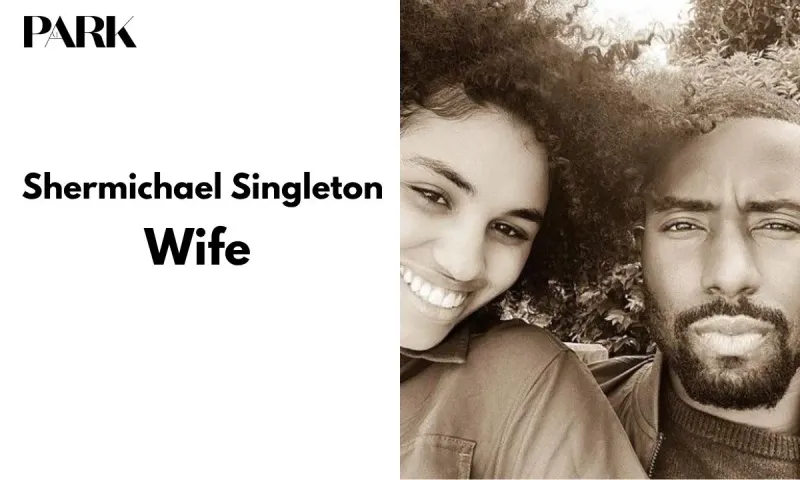
Public curiosity surrounding political commentators and media personalities has grown tremendously over the past decade. Audiences today are no longer interested only in professional opinions, television appearances, or political analysis. Instead, people increasingly want to understand the personal lives, relationships, backgrounds, and everyday realities of public figures they regularly watch online or on television. This growing interest explains why searches related to “Shermichael Singleton wife” continue attracting attention across search engines and social platforms.
Shermichael Singleton has built recognition through political commentary, media appearances, and public discussions on social issues and American politics. As his public profile has expanded, curiosity surrounding his personal life has naturally increased as well. Viewers often become interested in the families and relationships of commentators because audiences tend to form emotional familiarity with personalities they watch regularly. Over time, media figures begin feeling less like distant public commentators and more like recognizable individuals whose lives people genuinely want to understand.
The interest in Shermichael Singleton’s wife also reflects broader cultural changes in how audiences interact with media personalities. In earlier decades, public figures maintained stronger separation between professional work and personal life. Today, however, social media, digital interviews, podcasts, and online culture have blurred those boundaries significantly. Audiences now expect greater personal transparency from celebrities, journalists, commentators, influencers, and television personalities.
Another reason searches about spouses and relationships have become so common involves emotional connection. People often judge public figures not only through professional accomplishments but also through perceived personality traits, values, lifestyle choices, and relationship dynamics. Human curiosity naturally extends toward understanding how public figures live outside professional settings.
At the same time, public interest in relationships can create tension between curiosity and privacy. While audiences enjoy learning about public personalities, many commentators and media figures choose to keep significant portions of their personal lives private. This balance between public visibility and personal boundaries has become increasingly challenging in the digital era.
Shermichael Singleton’s growing visibility within political media contributes directly to this curiosity. Political commentators today often become recognizable public brands rather than simply television contributors. Their personalities, communication styles, and personal image become central to audience engagement and popularity.
This article explores the public interest surrounding Shermichael Singleton’s wife, the role relationships play in public perception, how media culture shapes curiosity about personal lives, the balance between privacy and visibility, and why audiences remain deeply interested in the human side of public figures.
Who Is Shermichael Singleton?
Before understanding public interest in Shermichael Singleton’s personal life, it is important to understand why he has become a recognizable figure in media and political commentary. Shermichael Singleton is known for his work as a political analyst, commentator, strategist, and public voice within American political discussions. Over time, he has appeared across various media platforms discussing national politics, social issues, public policy, elections, and cultural debates.
Modern political commentary has evolved far beyond traditional television panels. Today’s commentators often build personal brands through social media, podcasts, digital interviews, and ongoing online engagement. This increased visibility allows audiences to feel more connected to commentators as individuals rather than simply analysts delivering information.
Shermichael Singleton’s communication style has contributed significantly to his growing recognition. Viewers often gravitate toward commentators who appear confident, articulate, emotionally expressive, and willing to discuss controversial or nuanced subjects openly. In today’s media environment, personality matters almost as much as expertise because audiences are drawn toward communicators who feel authentic and engaging.
Another reason media personalities gain public attention involves consistency and visibility. Repeated appearances across television, interviews, podcasts, and digital platforms gradually create familiarity with audiences. Over time, viewers begin feeling personally invested in public figures they encounter regularly.
Political commentary itself has also become increasingly personality-driven. Audiences now follow commentators similarly to how they follow entertainers or influencers. People become interested not only in political analysis but also in lifestyle, relationships, values, communication style, and personal identity.
This growing emotional familiarity naturally creates curiosity about personal relationships and family life. Audiences often wonder who supports public figures behind the scenes, how their personal lives influence their perspectives, and what their daily lives look like beyond television or media appearances.
At the same time, commentators face unique challenges because public visibility invites constant scrutiny. Unlike entertainers whose work focuses mainly on performance, political commentators often engage with emotionally charged social topics that attract strong opinions and public reactions.
As Shermichael Singleton’s profile has expanded, public interest in his personal life has followed naturally, including questions surrounding his relationship status and wife.
Why Audiences Are Curious About Public Figures’ Spouses
The growing curiosity about public figures’ spouses reflects a larger cultural phenomenon shaped by social media, digital entertainment, celebrity culture, and modern communication habits. People today are deeply interested in the personal dimensions of public personalities because audiences increasingly seek emotional familiarity and relatability.
When viewers regularly watch a commentator, journalist, or television personality, they begin developing a sense of connection with that person. Psychologically, repeated exposure creates familiarity, and familiarity often leads to curiosity about personal life, relationships, family, and lifestyle.
Another reason audiences search for information about spouses involves emotional context. Relationships often reveal different sides of public figures that professional appearances do not show. People become curious about who supports influential personalities privately, how they balance career and personal life, and whether their public image aligns with their real-world relationships.
Social media culture has intensified this phenomenon dramatically. Platforms such as Instagram, podcasts, YouTube interviews, and online discussions encourage public figures to share personal experiences more openly than previous generations. Audiences now expect greater accessibility and emotional transparency.
However, this expectation also creates challenges because not every public figure wants their family or spouse placed under constant public observation. Many commentators intentionally keep their relationships private to protect loved ones from online criticism, media attention, or unnecessary public scrutiny.
Another important factor involves relatability. Audiences often connect more strongly with personalities who appear emotionally grounded and family-oriented. Public figures who share aspects of their personal relationships may seem more approachable and human rather than purely professional or distant.
Curiosity about spouses also reflects how audiences evaluate public personalities socially. Many people unconsciously associate relationship stability, emotional intelligence, and family dynamics with character perception. Whether fair or not, personal relationships often influence how viewers emotionally interpret public figures.
For political commentators especially, audiences sometimes wonder how personal experiences influence professional viewpoints. Relationships, family life, and personal values can shape communication style, empathy, and social perspectives.
Ultimately, public curiosity surrounding Shermichael Singleton’s wife reflects broader changes in how modern audiences engage with recognizable personalities. Viewers no longer consume media passively. Instead, they seek emotional familiarity and deeper understanding of the individuals behind public commentary.
Privacy in the Digital Age
One of the most complicated aspects of modern public life is balancing visibility with personal privacy. For media personalities like Shermichael Singleton, professional success often increases public curiosity while simultaneously making personal boundaries more difficult to maintain.
In earlier decades, commentators and public figures could separate private life from professional work more easily because media access remained limited. Today, however, the internet creates constant visibility. Audiences can search interviews, social media posts, public appearances, and online discussions instantly.
This digital environment has fundamentally changed expectations surrounding privacy. Many viewers now expect public figures to share personal information regularly, including relationship details, family moments, and lifestyle updates. However, not every public personality feels comfortable with this level of openness.
For spouses and family members especially, public attention can become overwhelming. Individuals connected to recognizable commentators may receive unwanted scrutiny despite not seeking public visibility themselves. This is one reason many public figures carefully limit what they reveal about relationships or family life.
Another challenge involves misinformation and speculation. When audiences lack detailed personal information, online rumors and assumptions sometimes fill the gap. This creates additional pressure for public figures trying to maintain privacy while managing public curiosity.
Social media also encourages oversharing culture. Many influencers and celebrities build popularity by revealing intimate aspects of their personal lives constantly. However, political commentators and analysts often face different professional expectations because their credibility depends more heavily on intellectual authority and communication than personal lifestyle branding.
Another important issue is emotional well-being. Constant public observation can create stress for both public figures and their loved ones. Protecting personal relationships from excessive media attention sometimes helps maintain emotional balance and healthier family dynamics.
Shermichael Singleton’s approach to privacy reflects a broader reality many public personalities navigate today. Visibility creates audience interest, but maintaining boundaries remains important for emotional and personal stability.
How Public Image Influences Relationship Curiosity
Public image strongly shapes audience curiosity surrounding relationships and spouses. People often associate personality traits seen on television or online with assumptions about private life and personal relationships.
Shermichael Singleton’s public presence involves communication, political analysis, confidence, and media engagement. Audiences naturally become curious about how these qualities translate into personal relationships and family dynamics.
Another reason public image matters is because audiences increasingly value authenticity. Modern viewers are highly aware of branding, media performance, and curated online personas. People want to know whether public figures appear consistent privately and professionally.
Relationships often become symbolic within celebrity and media culture. Audiences sometimes interpret marriages or partnerships as reflections of values, emotional intelligence, or stability. Whether consciously or unconsciously, people use personal relationships to understand public personalities more completely.
Media culture also encourages emotional storytelling. Interviews, podcasts, and public conversations increasingly include discussions about personal growth, emotional experiences, relationships, and family influences. This storytelling approach creates stronger audience engagement while increasing curiosity about personal lives.
Another factor involves relatability. Public figures who appear emotionally grounded or family-oriented often attract broader audience support because viewers connect emotionally with familiar relationship experiences.
At the same time, excessive curiosity can sometimes cross personal boundaries. Audiences may forget that spouses and family members are private individuals deserving respect and privacy.
Balancing audience interest with personal dignity remains one of the most difficult aspects of modern public visibility.
The Human Side of Media Personalities
One reason audiences remain fascinated by commentators like Shermichael Singleton is because media personalities increasingly occupy dual roles in society. They function both as information providers and as recognizable public personalities with relatable human experiences.
People often assume commentators spend all their time focused exclusively on politics or media appearances. In reality, public figures still navigate ordinary life experiences involving relationships, stress, family responsibilities, friendships, and emotional challenges.
This human dimension is partly why audiences become invested in personal details. Viewers enjoy understanding the full person behind professional roles because it creates emotional connection and relatability.
Another reason this matters is because modern audiences increasingly reject purely polished or overly corporate public images. People now appreciate authenticity, vulnerability, and emotional realism more than rigid professionalism alone.
Public figures who maintain grounded personalities often build stronger long-term audience trust because viewers perceive them as genuine individuals rather than carefully manufactured brands.
Shermichael Singleton’s growing visibility reflects how modern political commentary has become more personality-oriented overall. Audiences not only evaluate political opinions but also communication style, demeanor, emotional intelligence, and relatability.
This shift helps explain why public curiosity surrounding personal relationships continues increasing across media culture.
Relationships and Public Perception
Relationships often influence how audiences perceive public figures emotionally and socially. Whether fair or not, many viewers associate stable relationships with maturity, emotional intelligence, and grounded character.
For public commentators especially, audiences sometimes interpret personal relationships as reflections of broader personal values or interpersonal skills. This contributes to public curiosity about spouses and family life.
However, modern audiences are also becoming more aware of the importance of respecting boundaries. While curiosity remains natural, many viewers increasingly recognize that not every aspect of public figures’ lives must become public content.
Healthy boundaries are important because constant visibility can create emotional pressure and strain relationships unnecessarily.
At the same time, relationships remain one of the most relatable aspects of public life. People naturally connect with stories involving partnership, support, family dynamics, and personal growth.
This emotional relatability helps explain why searches surrounding Shermichael Singleton’s wife continue attracting interest online.
Conclusion
The growing public interest surrounding “Shermichael Singleton wife” reflects larger cultural changes in how audiences engage with media personalities, commentators, and public figures today. Modern viewers increasingly seek emotional familiarity, authenticity, and personal connection with the individuals they watch regularly across television, podcasts, interviews, and social media platforms.
Shermichael Singleton’s visibility within political commentary naturally creates curiosity not only about his professional opinions but also about his personal life and relationships. Audiences often want to understand the human side behind public personalities because familiarity creates emotional investment and relatability.
At the same time, the digital era has complicated the balance between public interest and personal privacy. While viewers appreciate openness and authenticity, public figures and their families still deserve healthy boundaries away from constant scrutiny and speculation.
The fascination with relationships, spouses, and family life ultimately reflects human nature itself. People connect emotionally through stories, relationships, and personal experiences more than through professional achievements alone. This emotional curiosity explains why audiences continue searching for information about recognizable personalities beyond their public careers.
As media culture continues evolving, the intersection between visibility, privacy, and public curiosity will likely remain one of the defining challenges facing commentators, influencers, journalists, and public figures in the modern era.
Frequently Asked Questions
Who is Shermichael Singleton?
Shermichael Singleton is a political commentator, media personality, and strategist known for discussing American politics and social issues.
Why are people searching for Shermichael Singleton’s wife?
Audiences are curious about his personal life because public interest often extends beyond professional work into relationships and family life.
Does Shermichael Singleton share much about his private life?
Like many public figures, he appears to maintain a level of privacy regarding personal relationships and family matters.
Why do audiences care about public figures’ relationships?
People often feel emotionally connected to media personalities and become interested in the human side of their lives.
Has social media increased curiosity about celebrities’ personal lives?
Yes, social media has significantly increased public interest in relationships, lifestyles, and personal experiences of recognizable personalities.
Read More:
